Gym Equipment Guide for Beginners: What Each Tool Does and How to Use It
Walking into a gym for the first time can be overwhelming. Racks of dumbbells, towering cable machines, rows of barbells, and bins of resistance bands — where do you even start? This gym equipment guide for beginners breaks down the four most important pieces of equipment you will encounter: dumbbells, barbells, cable machines, and resistance bands. You will learn what each tool is best used for, which exercises to prioritize, and how they connect to specific muscle-group training goals. By the end, you will walk into any gym with confidence, knowing exactly which equipment serves your needs.
What Equipment Do Beginners Really Need?
You do not need every piece of equipment in the gym to build an effective training program. In fact, trying to use everything at once is one of the fastest ways to waste time and risk injury. Here is the priority order for what beginners actually need:
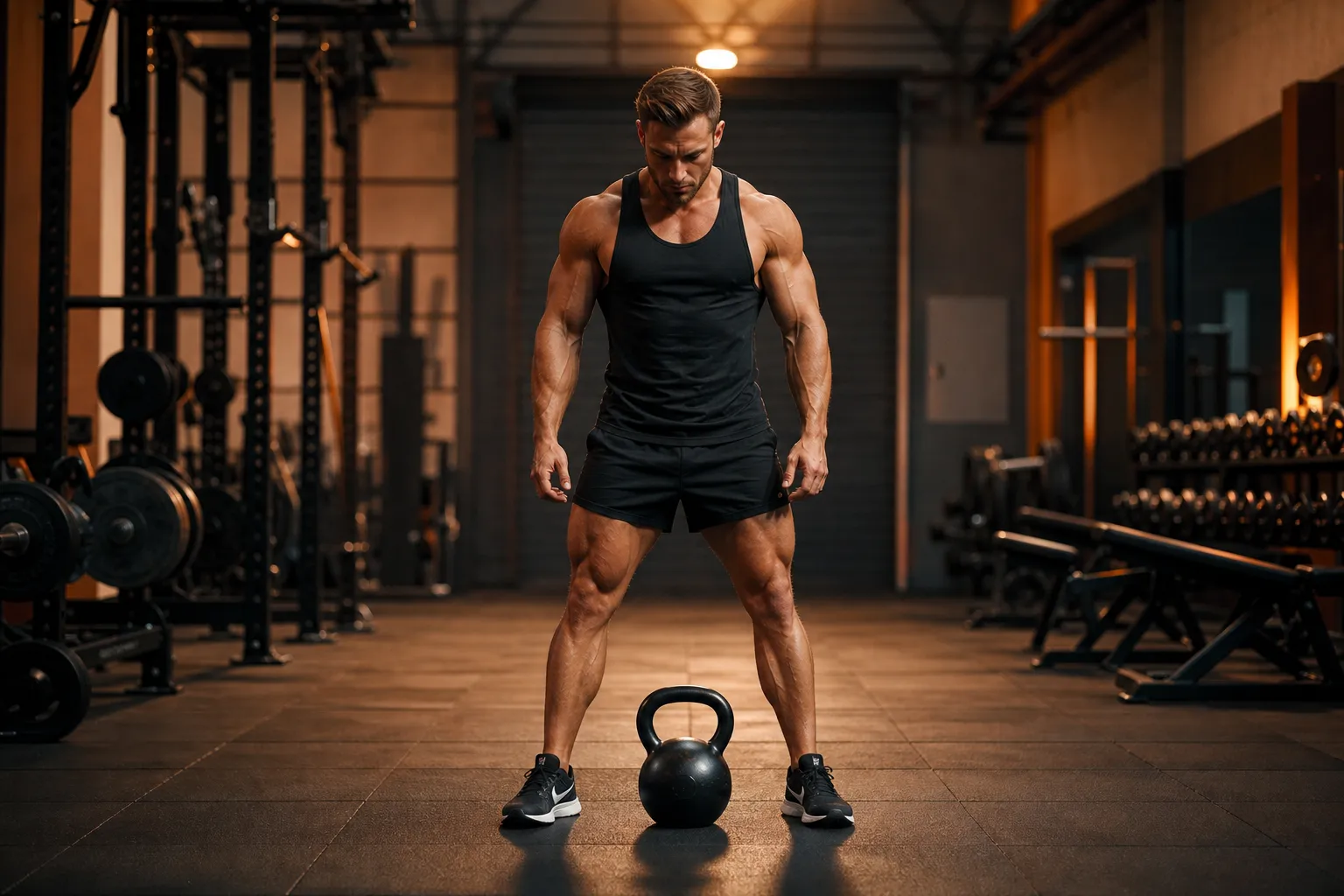
- Dumbbells — Your first and most versatile tool. A pair of adjustable dumbbells is all you need for a complete full-body workout. They allow unilateral training (one side at a time), which corrects strength imbalances most beginners have. If you are building a home gym, start here.
- Barbell — Add this once you are comfortable with basic movement patterns and ready for heavy compound lifts. The barbell lets you load the most weight, making it essential for building maximum strength in the squat, bench press, and deadlift.
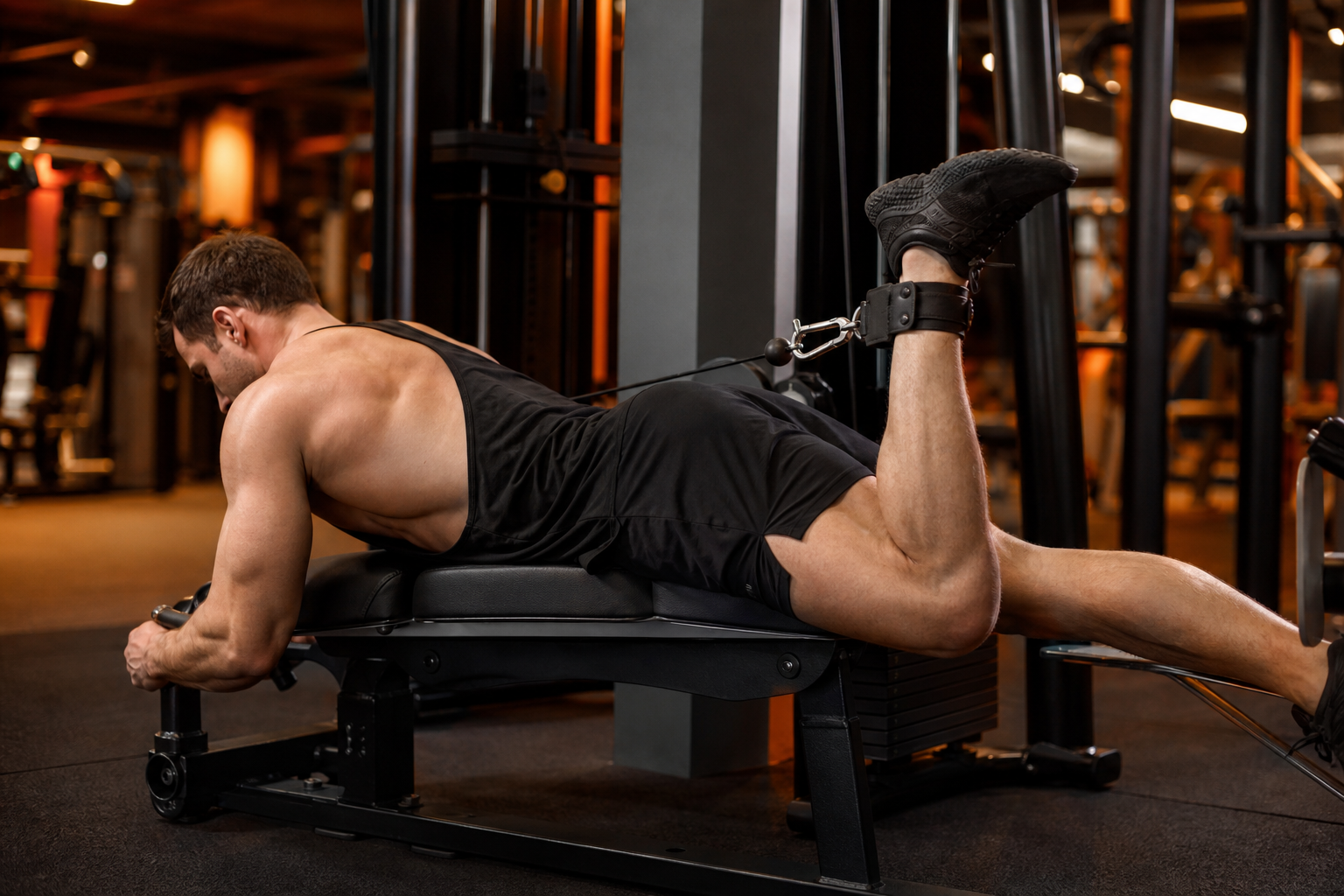
- Cable machine — Ideal for adding constant-tension isolation work to your program. Use it for lat pulldowns, tricep pushdowns, face pulls, and cable crossovers. It fills the gaps that free weights leave, especially for back and arm training.
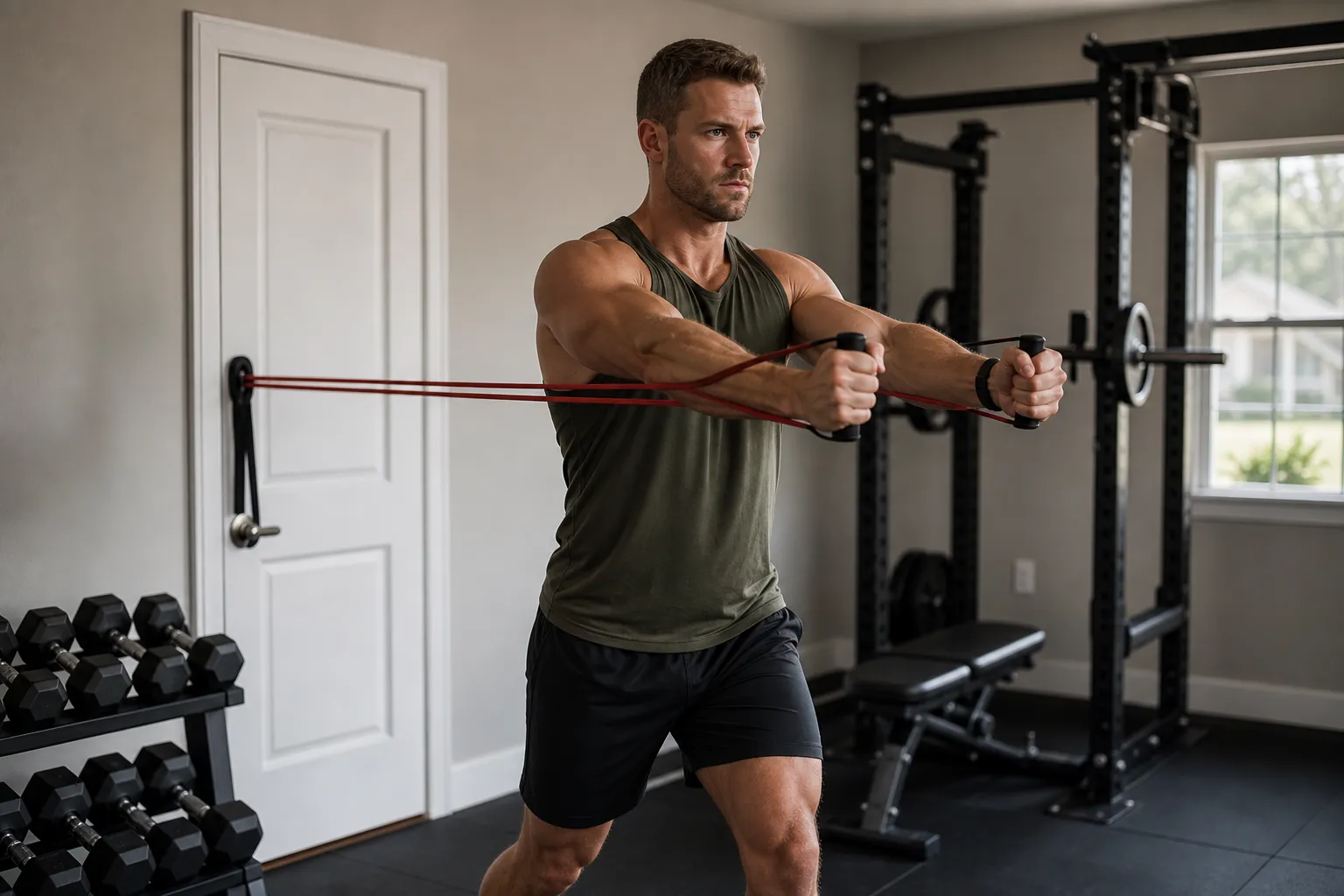
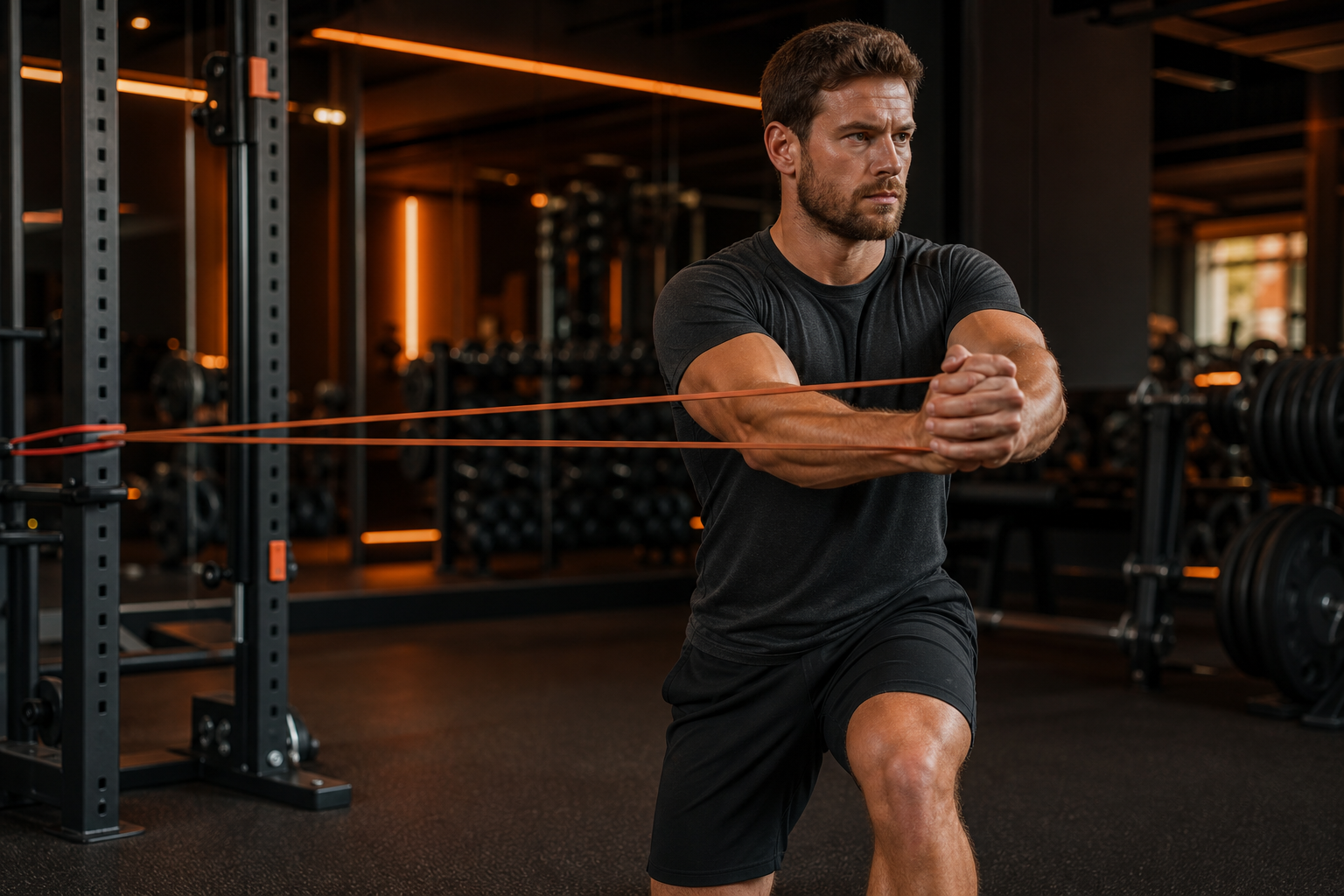
- Resistance band — The best supplement, not a primary tool. Use it for warm-ups (shoulder dislocates, pull-aparts), core stability (Pallof press), and rehabilitation. Bands are lightweight, portable, and perfect for training when you travel.
Home gym priority: Adjustable dumbbells → Resistance bands → Barbell with rack. Commercial gym: You have access to all four, so learn them in this order.
What Are Dumbbells Best Used For?
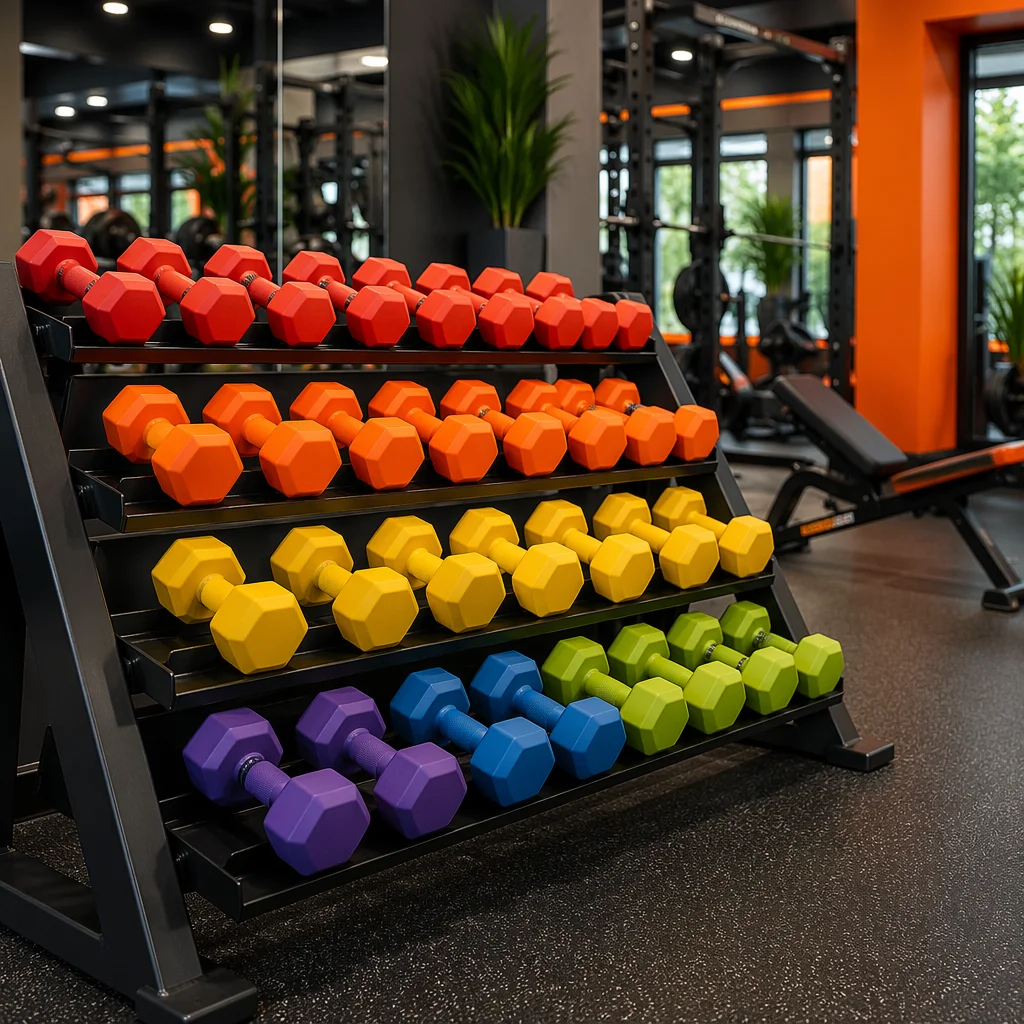
Dumbbells are the single most versatile piece of gym equipment. Their greatest strength is unilateral training — working one side of your body at a time. Most people have a dominant side that is 5-15% stronger than their non-dominant side. Dumbbells force each side to lift its own weight, correcting these imbalances that barbell training can mask.
Dumbbells also allow a full range of motion that barbells and machines cannot match. Your hands are free to rotate, follow a natural arc, and adjust to your body mechanics. This means better muscle activation and less joint stress.
Best Beginner Dumbbell Exercises
- Goblet squat — Hold one dumbbell at chest level and squat deep. Builds quads, glutes, and core stability. See our dumbbell leg workout guide for a complete program.
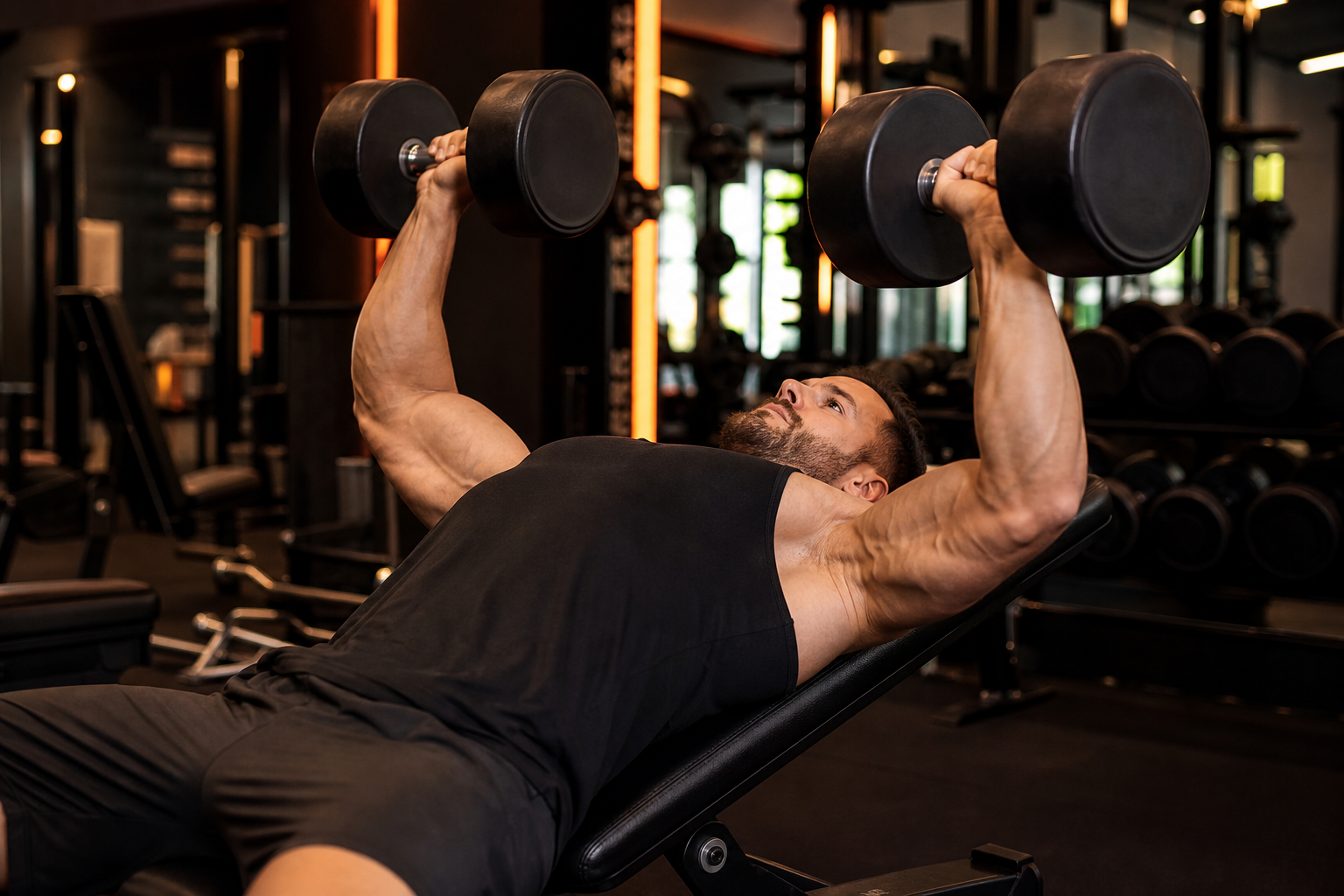
- Dumbbell bench press — Lie on a flat bench and press two dumbbells upward. Trains chest, shoulders, and triceps with a deeper stretch than a barbell allows. Pair with our dumbbell chest exercises.
- Single-arm row — Brace on a bench and row one dumbbell to your hip. Targets the lats and rhomboids. Combine with our dumbbell back workout for balanced pulling strength.
- Lateral raise — Raise dumbbells out to your sides for shoulder width. Check our shoulder dumbbell guide for a full shoulder routine.
- Bicep curl — The classic arm builder. See our arm dumbbell workout for more variations.
Safety tips: Always start lighter than you think you need. Control the negative (lowering) phase for 2-3 seconds — this is where most muscle damage and growth occurs. Never swing a dumbbell using momentum.
Why Is the Barbell the King of Compound Lifts?
The barbell earns its crown for one simple reason: it allows you to lift the heaviest loads possible. When both hands are fixed on a single bar, your body can recruit the maximum number of muscle fibers, generate the most force, and produce the greatest strength adaptation. No other tool matches the barbell for building raw, full-body strength.
The Big Three
These three barbell exercises train more muscle per rep than any other movement:
- Barbell squat — The king of lower-body exercises. Works quads, glutes, hamstrings, and core. See our barbell leg workout guide.
- Barbell bench press — The standard upper-body strength test. Hits chest, shoulders, and triceps. Pair with our barbell chest workout.
- Barbell deadlift — The ultimate full-body exercise. Trains posterior chain from hamstrings to upper back. Combine with our barbell back workout.
Beginner barbell tips: Start with just the bar (20 kg / 45 lb) and add weight slowly. If possible, work with a qualified trainer for at least 2-3 sessions to learn proper form on the big three. Always use safety clips (collars) on the bar — uneven plates sliding off mid-lift is dangerous.
Barbell vs Dumbbell Comparison
| Feature | Barbell | Dumbbell |
|---|---|---|
| Max load | Higher (both sides lift together) | Lower (each side lifts independently) |
| Imbalance correction | Strong side can compensate | Each side works independently |
| Range of motion | Fixed by bar path | Free, natural arc |
| Stability demand | Moderate (bar is self-balancing) | High (each hand must stabilize) |
| Best for | Maximum strength, compound lifts | Muscle balance, hypertrophy, beginners |
What Makes Cable Machines Different from Free Weights?
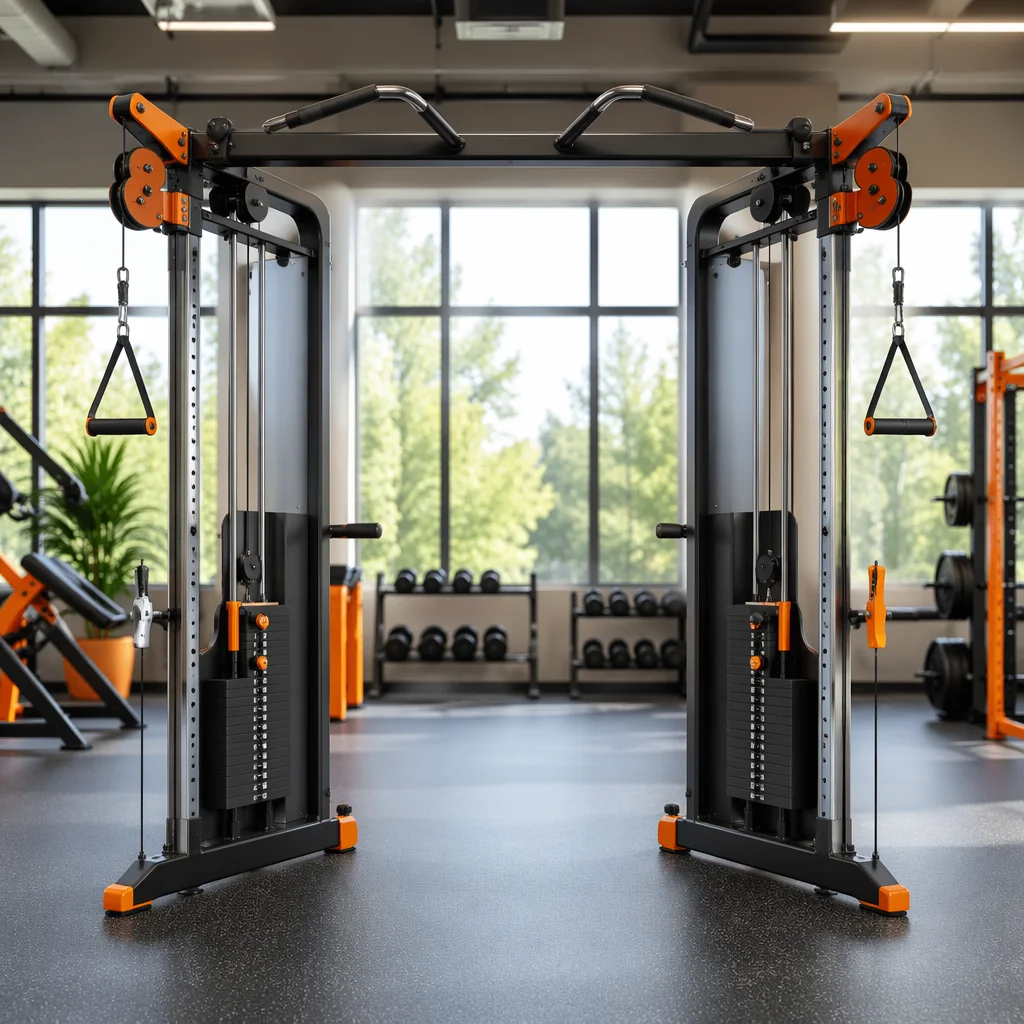
The defining characteristic of cable machines is constant tension throughout the entire range of motion. With free weights, resistance comes from gravity — it is highest at the bottom of a curl and nearly zero at the top. Cables redirect that gravitational force through a pulley system, so your muscles stay under load from the first inch to the last.
This constant tension makes cables uniquely effective for isolation work and time under tension, both critical for muscle growth. You can also adjust the pulley height to create resistance from any angle — high, low, or horizontal — which is impossible with free weights.
Best Cable Machine Exercises
- Lat pulldown — The best cable exercise for building back width. See our cable back workout guide.
- Cable crossover — Constant-tension chest isolation from various angles. Pair with our cable chest exercises.
- Tricep pushdown — Keep tension on the triceps through the full range. Check our cable arm workout for a complete arm routine.
- Face pull — Essential for shoulder health and rear delt development. See our shoulder cable guide.
- Cable curl — Sustained bicep tension from stretch to peak contraction.
Cable vs Free Weight Comparison
| Feature | Cable Machine | Free Weights |
|---|---|---|
| Tension curve | Constant throughout range | Varies (gravity-dependent) |
| Resistance angle | Adjustable (any direction) | Vertical only (gravity) |
| Stabilizer demand | Low (machine guides path) | High (you control the path) |
| Best for | Isolation, constant tension, rehab | Compound strength, functional power |
When to use cables: Isolation work after your main free-weight lifts, constant-tension finishing sets, and exercises where you need horizontal or angled resistance. When to use free weights: Your primary compound lifts for building foundational strength and muscle mass.
How Do Resistance Bands Fit into a Training Program?
Resistance bands are the ultimate training supplement. They are not ideal as a primary strength tool — the maximum tension they provide is limited compared to free weights — but they excel in several roles that no other equipment covers as well:
- Warm-ups — Banded shoulder dislocates and pull-aparts activate the rotator cuff and scapular muscles before pressing. This reduces injury risk more effectively than static stretching. A 2018 study in the Journal of Orthopaedic & Sports Physical Therapy found that resistance band warm-ups significantly reduced shoulder injury rates in overhead athletes.
- Core stability — The Pallof press (press a band away from your chest while resisting rotation) is one of the best anti-rotation core exercises. See our resistance band core workout for a full program.
- Rehabilitation — Bands provide scalable, joint-friendly resistance that is perfect for returning from injury. You can start with minimal tension and increase gradually.
- Travel training — Bands weigh almost nothing and fit in any bag. You can maintain your training habit in hotel rooms, airports, or parks.
One unique property of resistance bands: tension increases through the range of motion, the opposite of free weights where tension is highest at the bottom. This means the hardest part of a banded exercise is at the end of the movement, where muscles are at their strongest — an interesting but unconventional resistance profile.
What Are the Key Takeaways
| Equipment | Best For | Priority |
|---|---|---|
| Dumbbells | Unilateral training, full range of motion, versatility | First purchase / first to learn |
| Barbell | Maximum strength, heavy compound lifts (squat, bench, deadlift) | Second — after mastering basic patterns |
| Cable machine | Constant-tension isolation, angled resistance, finishing work | Third — after main free-weight lifts |
| Resistance band | Warm-ups, core stability, rehab, travel training | Supplement — not a primary tool |
Dumbbells
Chest + Dumbbells
Learn More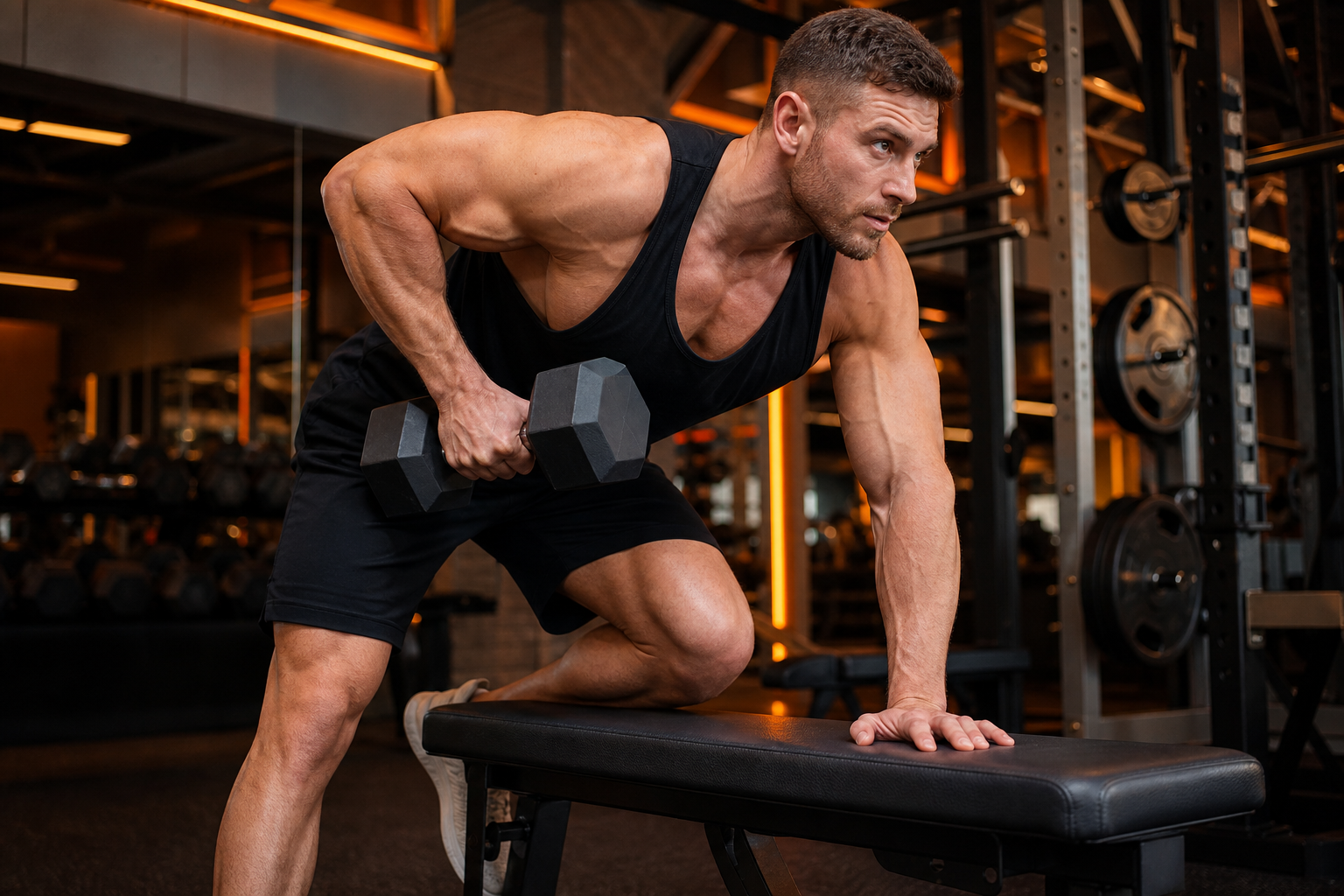
Back + Dumbbells
Learn More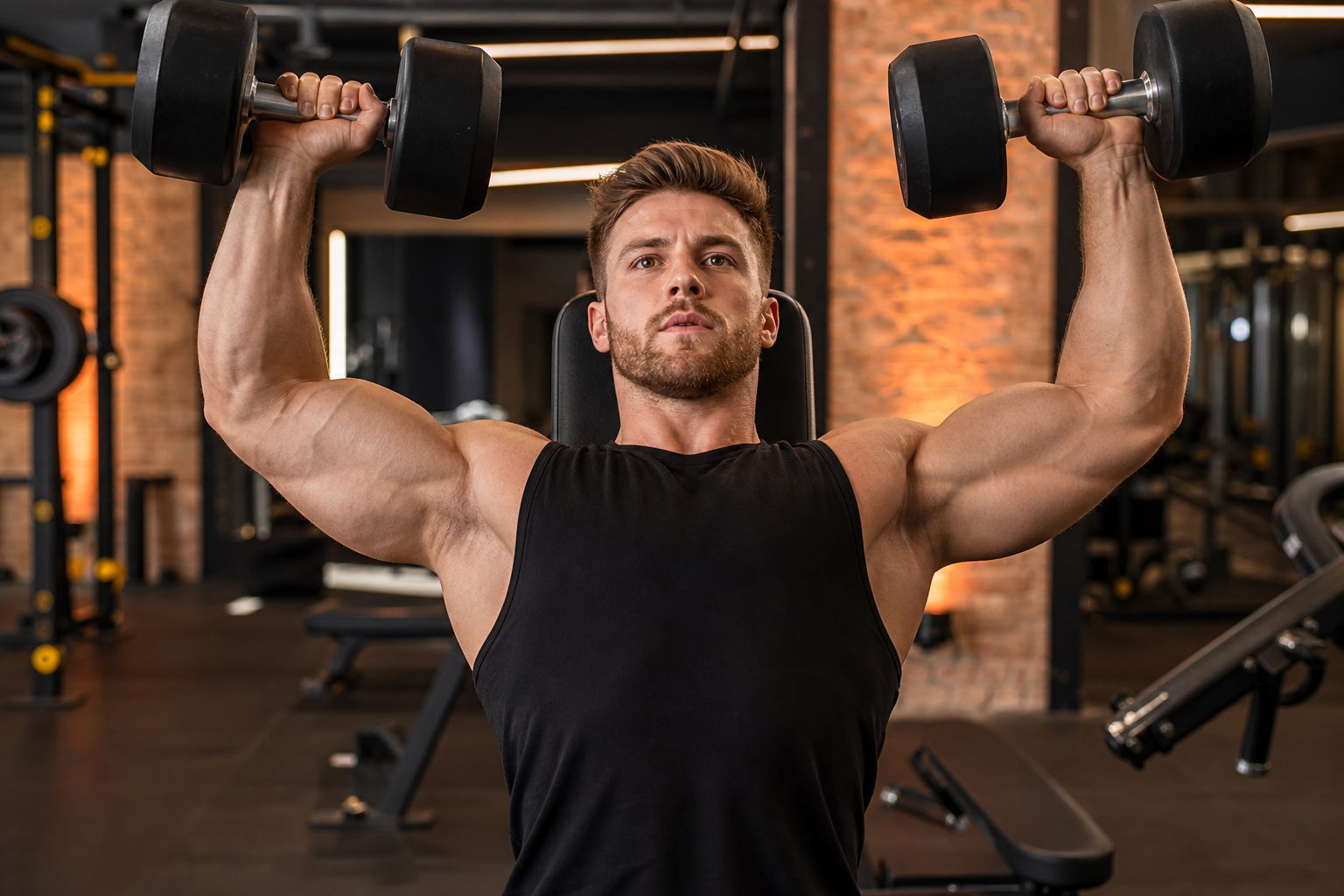
Shoulders + Dumbbells
Learn More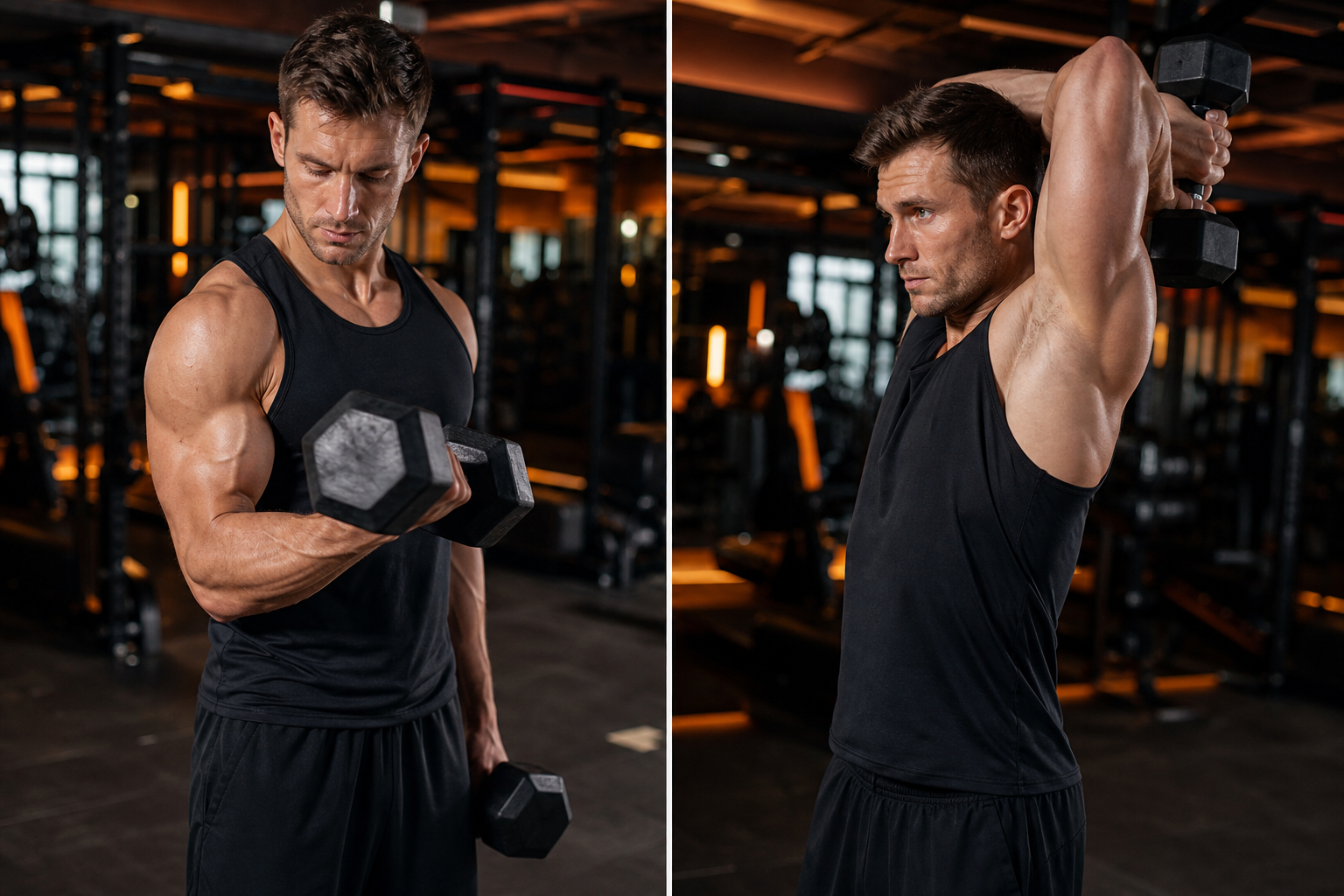
Arms + Dumbbells
Learn More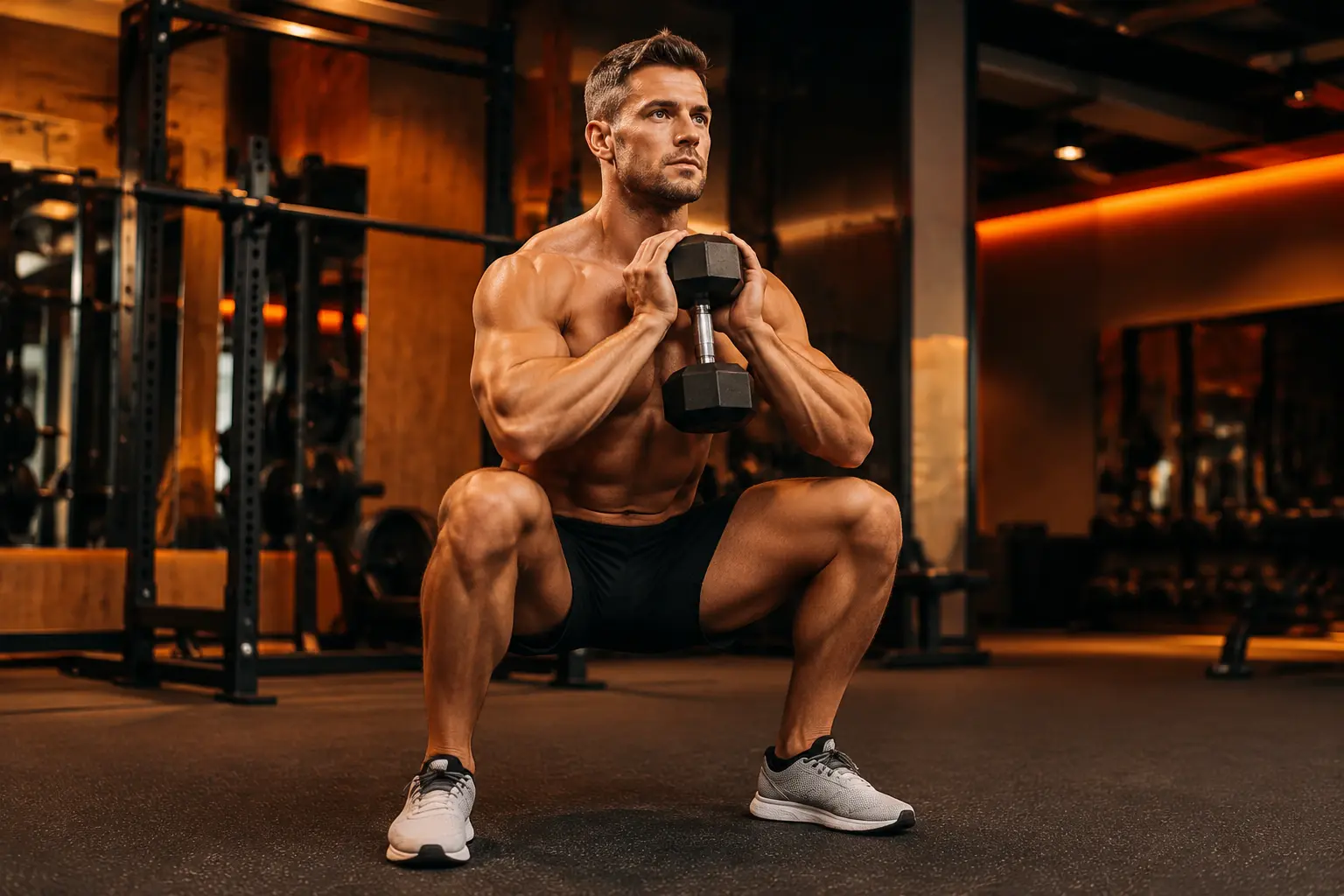
Legs + Dumbbells
Learn MoreBarbell
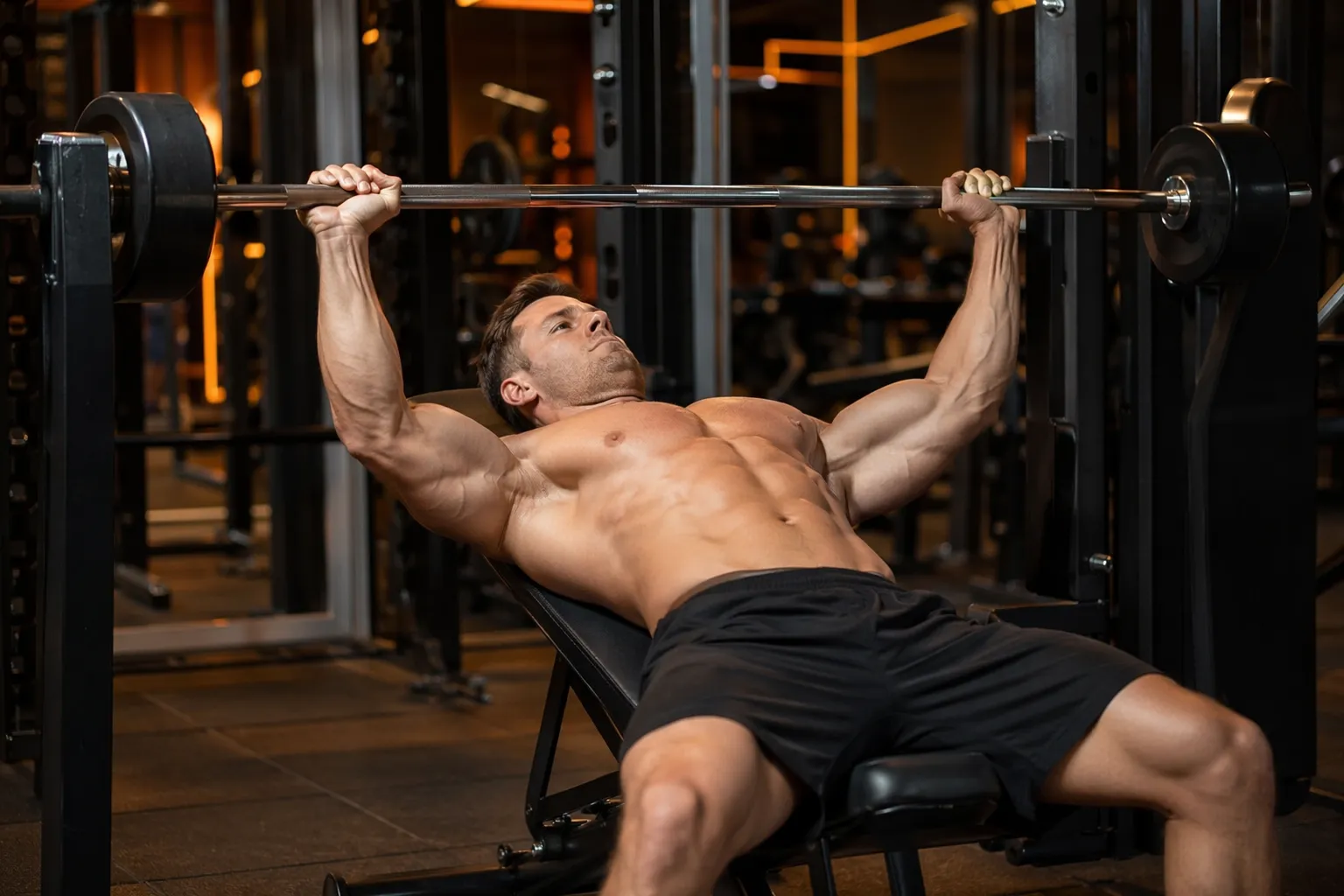
Chest + Barbell
Learn More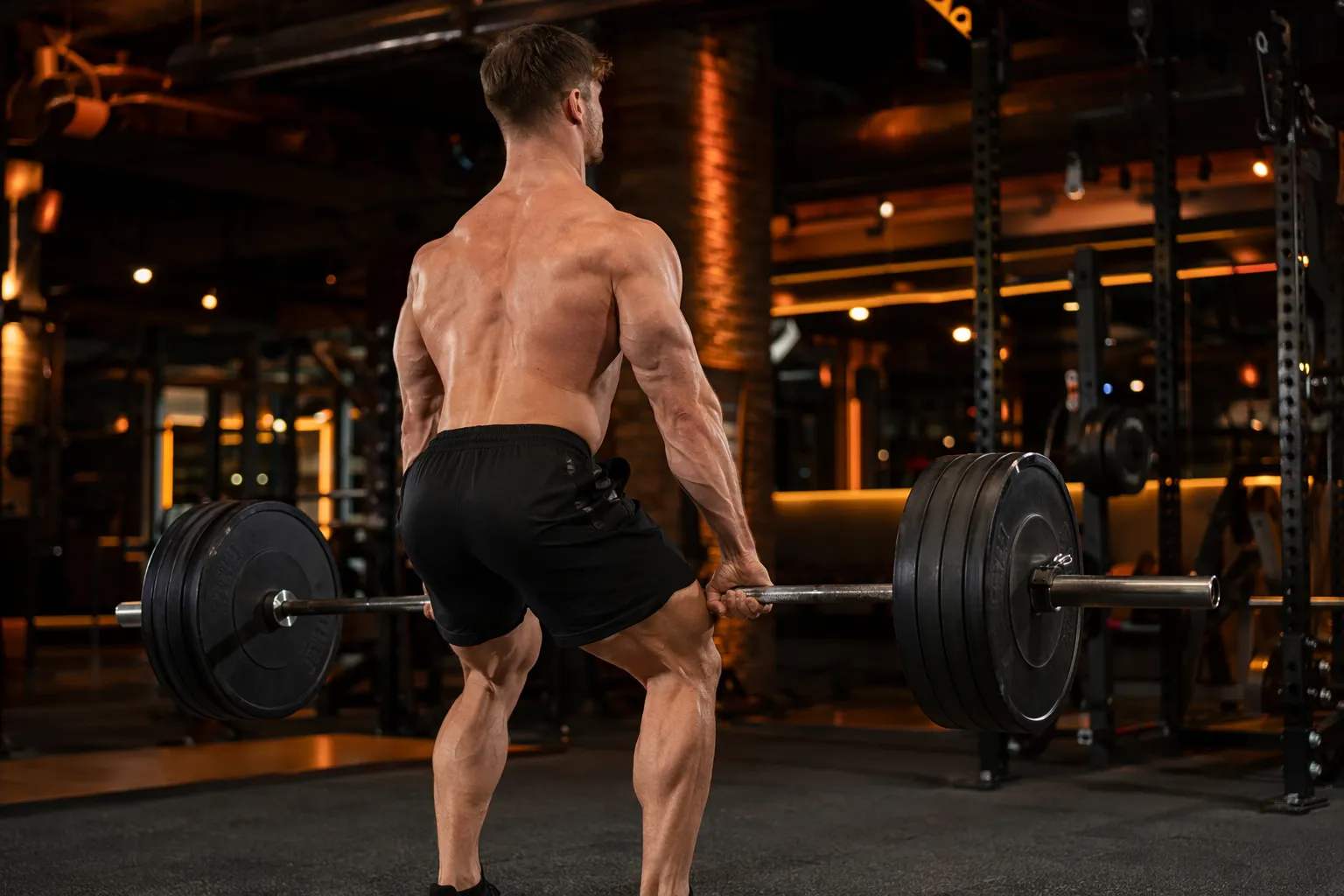
Back + Barbell
Learn More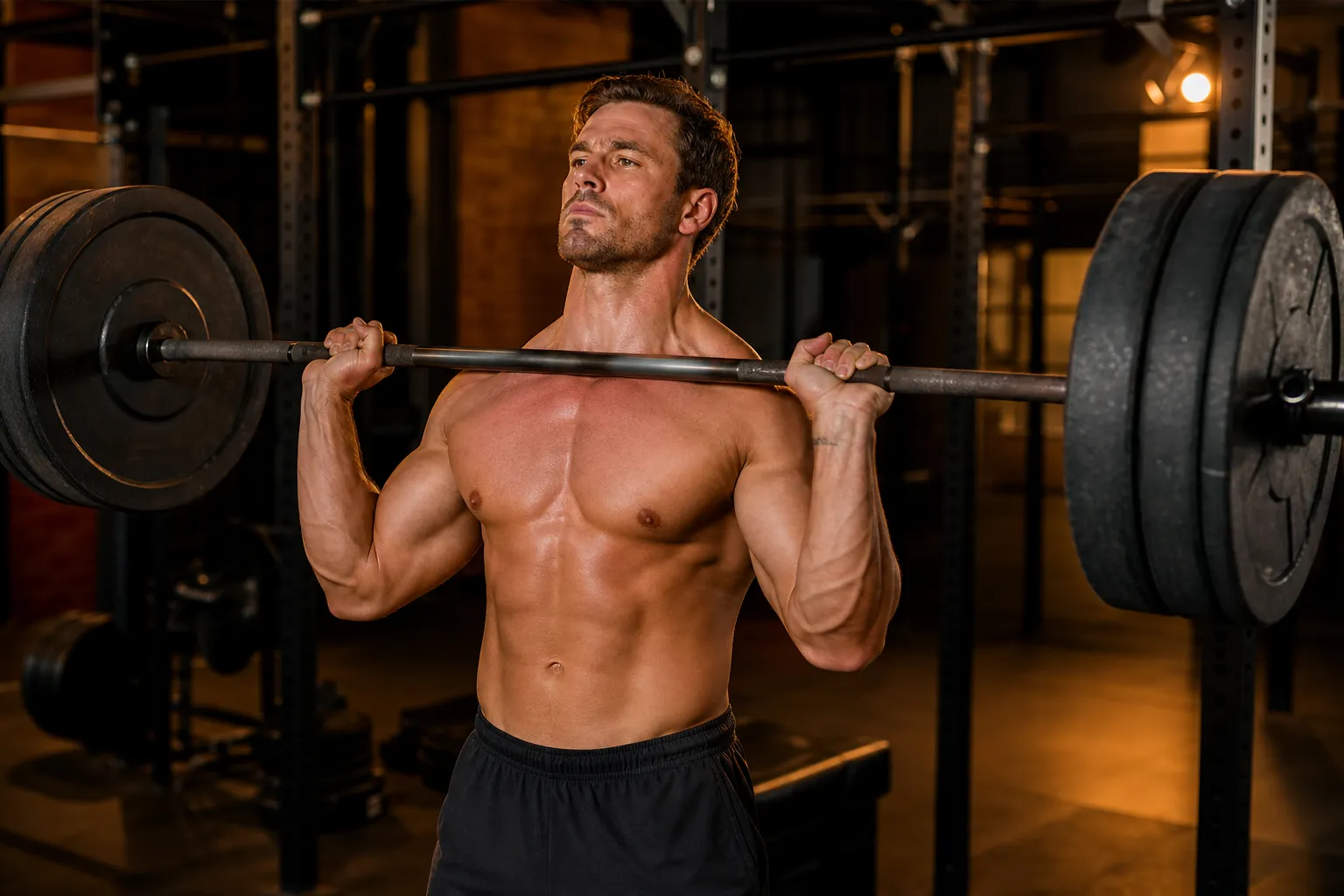
Shoulders + Barbell
Learn More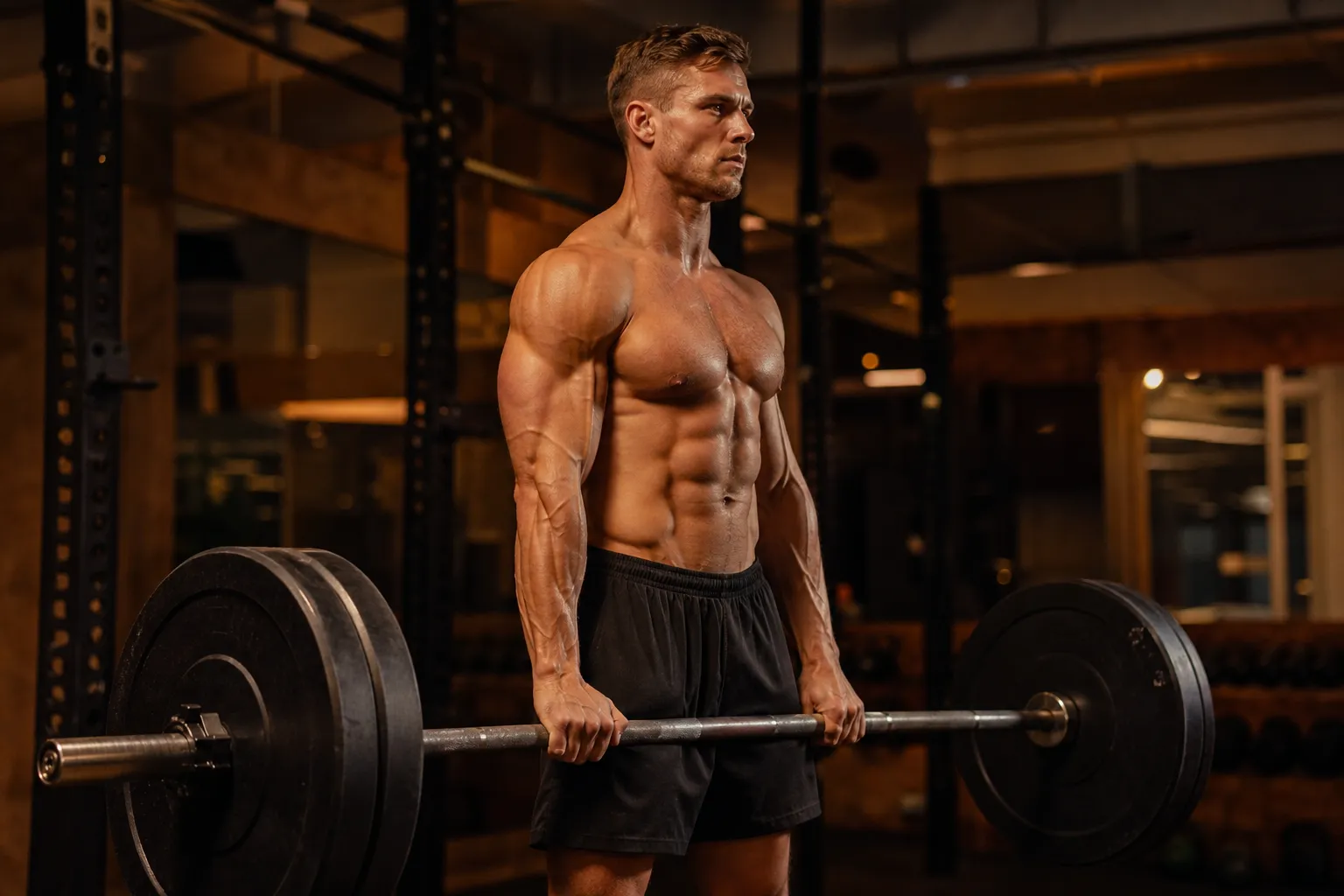
Arms + Barbell
Learn More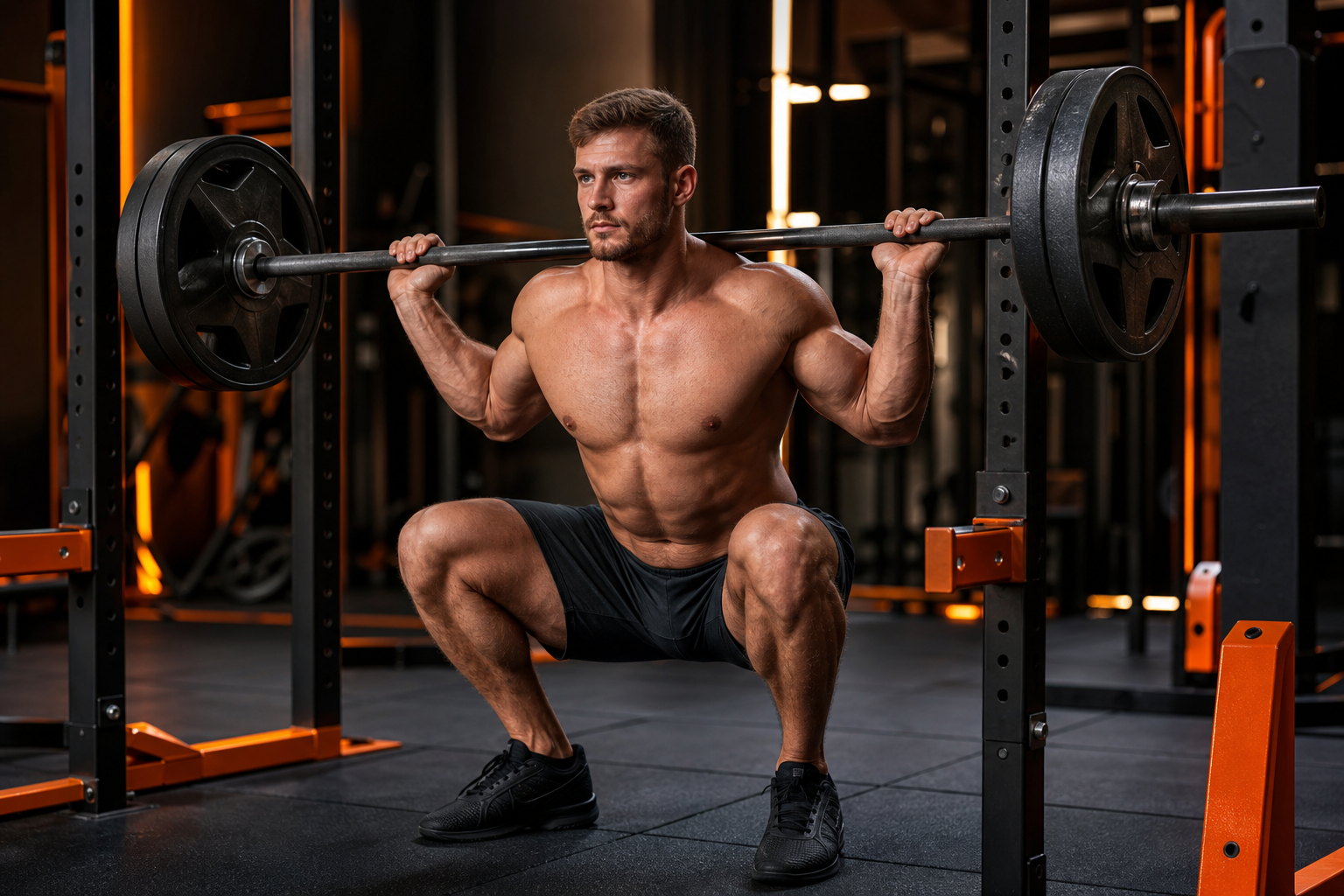
Legs + Barbell
Learn MoreCable Machine
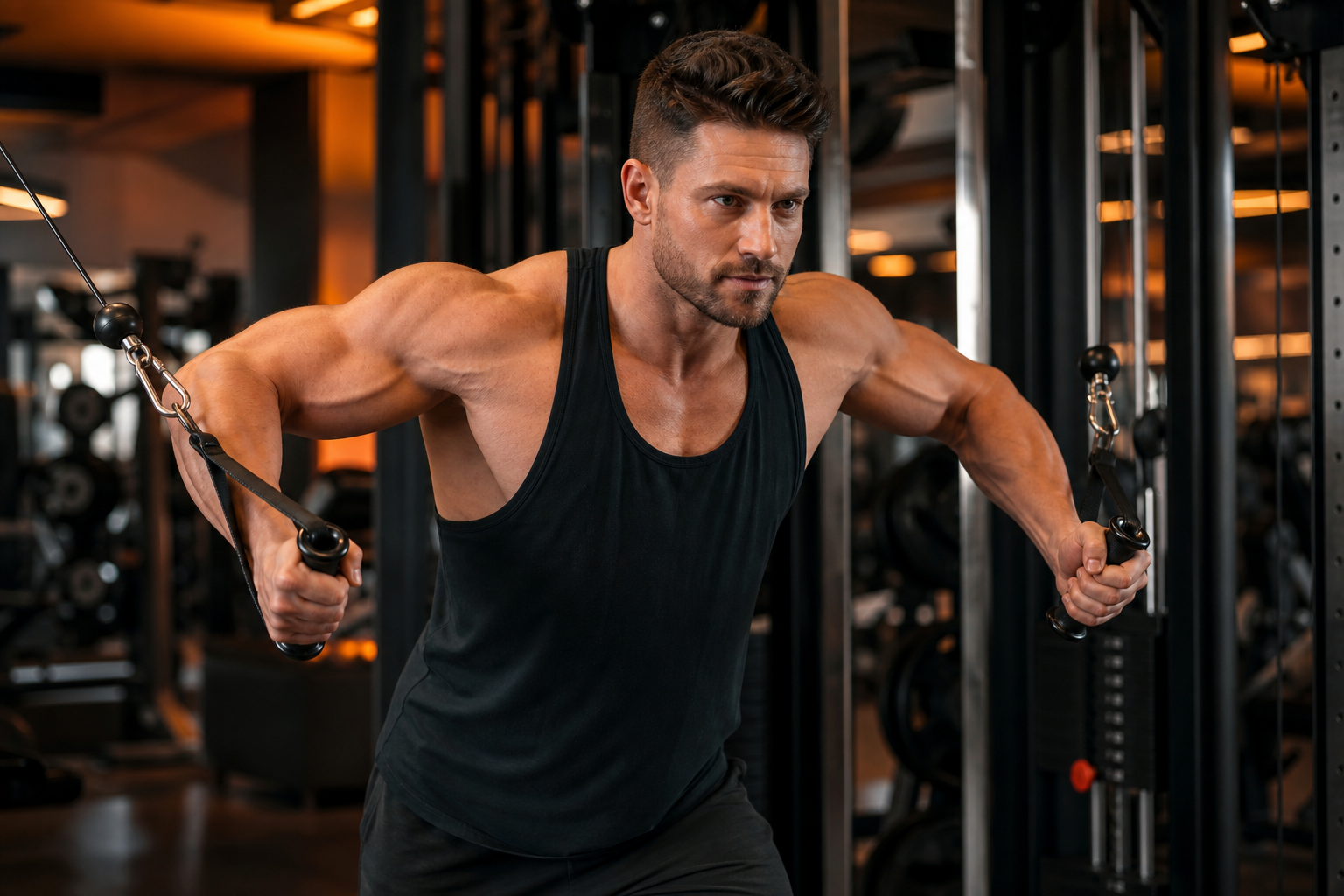
Chest + Cable Machine
Learn More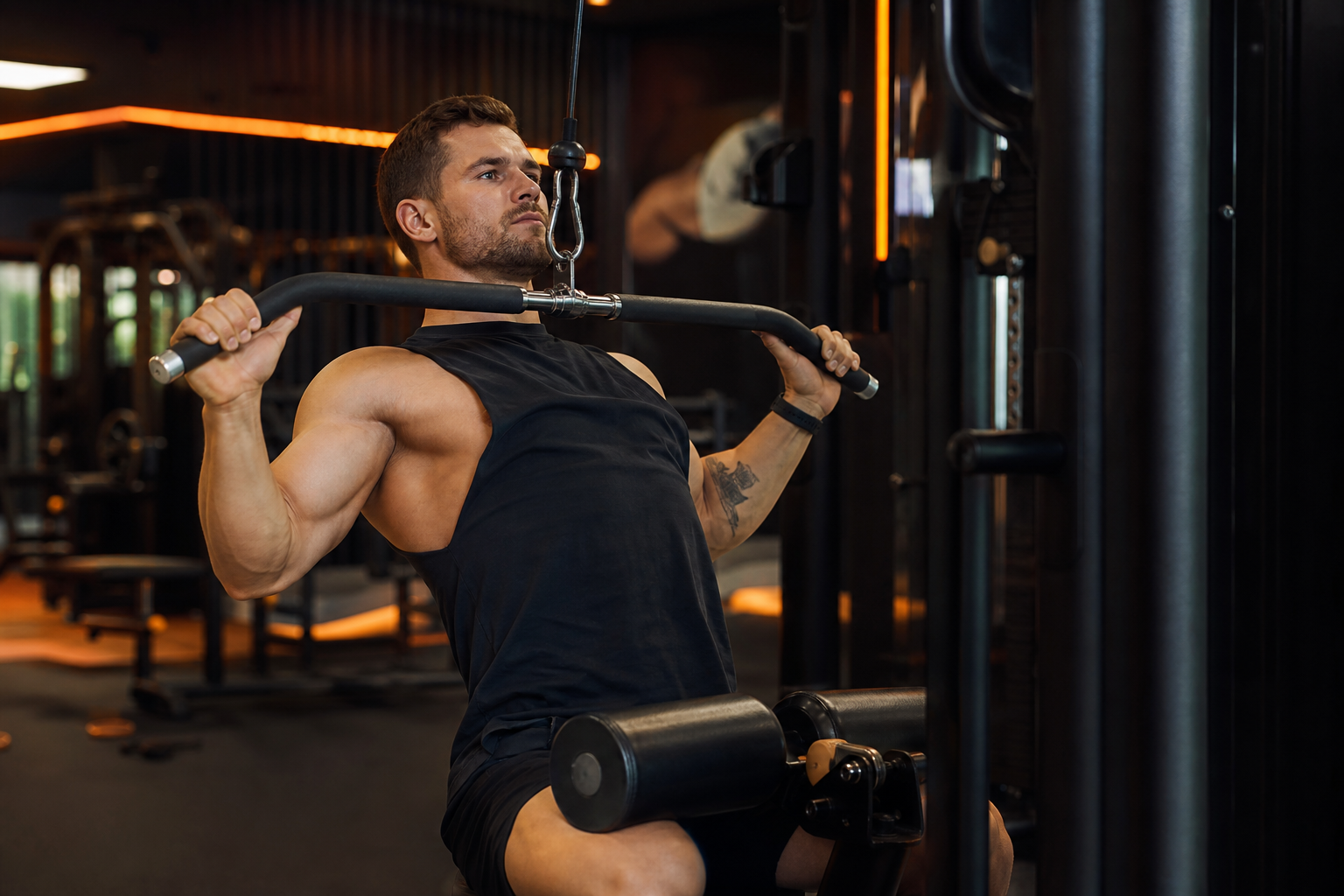
Back + Cable Machine
Learn More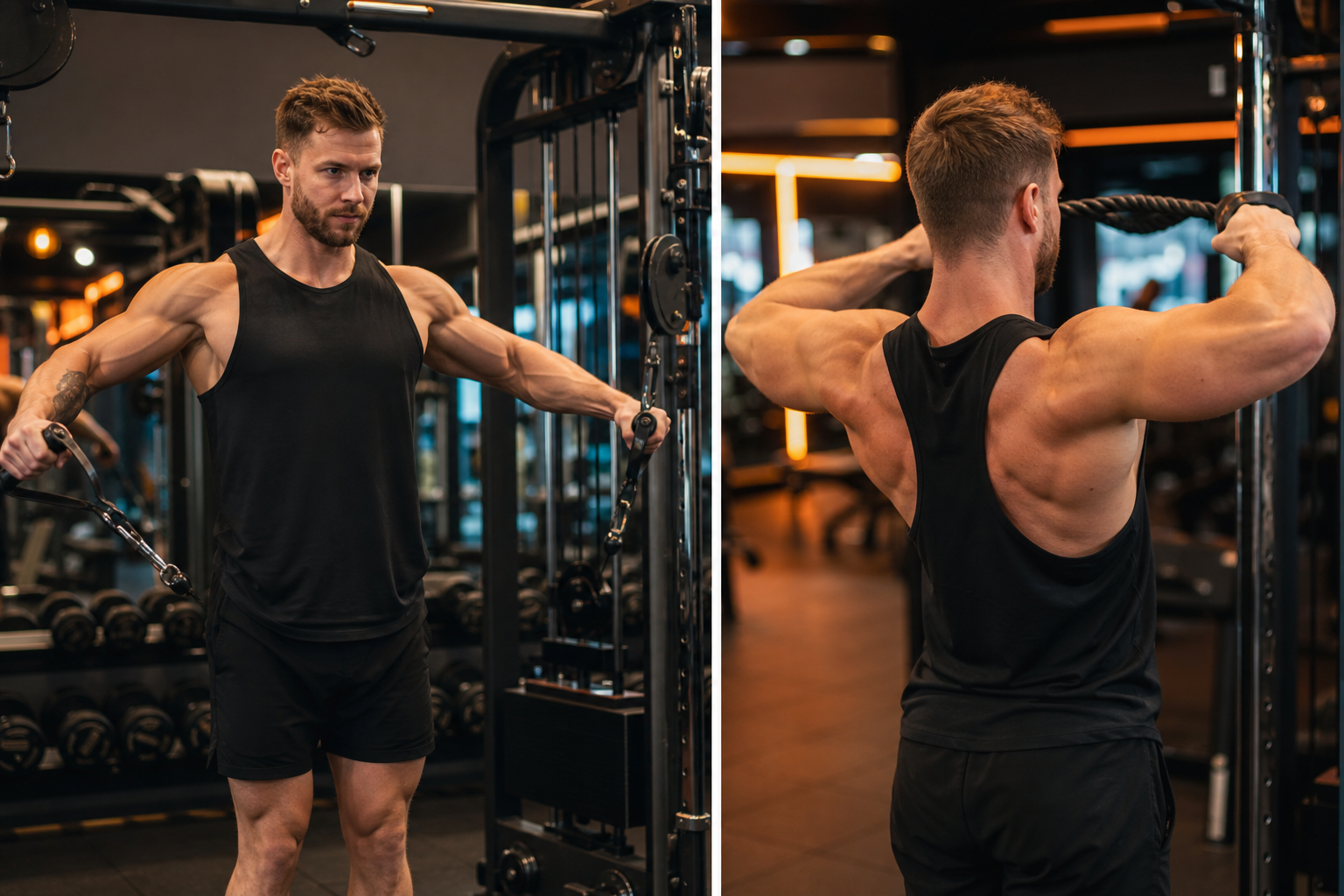
Shoulders + Cable Machine
Learn More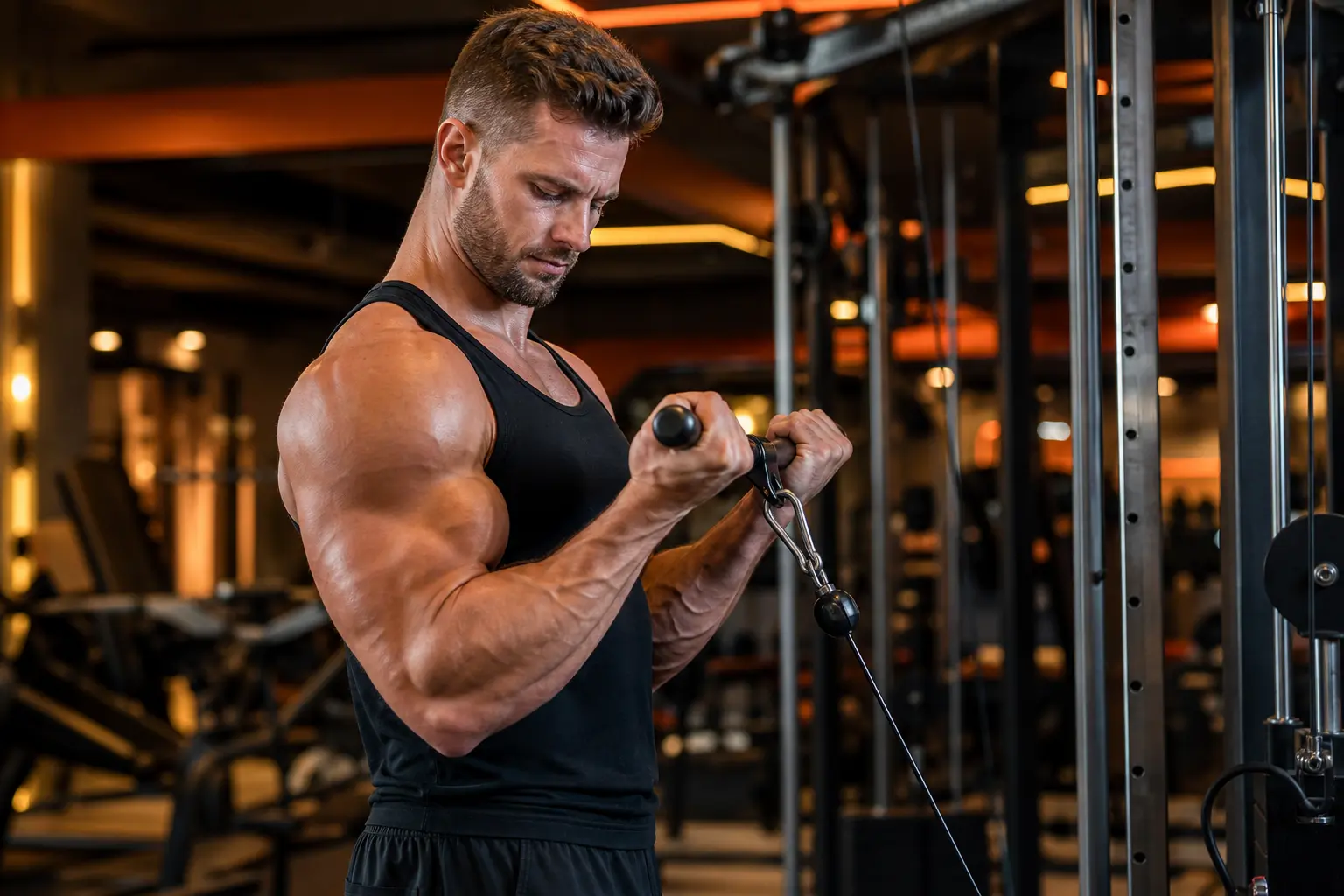
Arms + Cable Machine
Learn More